Open your mind to new perspectives
Perhaps the greatest mysteries of the Universe are not only found among the stars, but also within ourselves.
For thousands of years, sacred mushrooms have illuminated the path we need to follow to become the person we are meant to be. Are you ready to take a journey into the unknown to find your true self?
*Password protected for current clients. Scroll down to view topics of Blog.
Experience the transformative power of Psychedelic-Assisted Therapy in the Colorado Regulated Model and begin your journey towards relief and healing.


-
Deep Discovery
Through the therapeutic use of psilocybin, you’ll awaken a non-ordinary state of consciousness that may reveal emotional wounds and unresolved trauma from your childhood or your recent past.
-
Expanded Awareness
Experience a heightened sense of self-awareness and a shift in perspective, enabling you to gain clarity, insight, and a deeper understanding of what may be repressed parts of your inner self.
-
Renewed Resilience
As you integrate newfound insights into your daily life, you’ll begin to pave the way for what can become enduring positive changes in your attitude, behavior, relationships, and well-being.
-
Holistic Approach
Benefit from an indigenous and contemporary approach to becoming whole that encompasses changing your mind, refreshing your body, and perhaps re-discovering your spirituality.

“It may be that when we no longer know what to do, we have come to our real work, and that when we no longer know which way to go, we have come to our real journey. “
- Wendell Berry


Preparation and Integration Sessions are offered in person in Frisco, Colorado or via Zoom, Google Meet or a FaceTime call. The Administration Session can be held in one of several Colorado approved healing centers or in the comfort of your home if you are in palliative or hospice care; or are homebound or have a disability.**
Psilocybin mushrooms are cultivated based on the Colorado Department of Revenue’s requirements:
Psilocybin mushrooms are monitored for safety & quality following the Colorado Department of Revenue testing requirements:
**See Rule 6.18 on the Colorado Law Page that states that administration in your home is legal if you are under palliative or hospice care or are homebound or disabled and if you own your home.


The Hearth Room (more cave-like, darker/smaller, grounded)





The pictures above are of the private space in the TLC Healing Center in Breckenridge, for clients who would like to stay in Summit County. "Owls symbolize inner wisdom, change, transformation, intuitive development, good luck, and self-actualization," says Charlotte Kirsten, M.A., a cultural symbolism expert and founder of Typically Topical. The pictures below are of the Rose Healing Center in Lone Tree, Colorado - which is 18 miles south of Denver off of I25 and 33 miles from Denver International Airport via E-470. An additional location is in either Basalt or Aspen, Colorado at NeuroSpa/NeuroBloom. Group Sessions and/or Retreat location(s) are pending.



The Cedarwood Room (larger space, more expansive, lighter with a window)

How the processs works
Preparation Sessions
Preparation Sessions are essential for you and your family to understand what to expect during your journey and Integration. I’ll get to know you and you’ll share your intentions and expectations about the journey. We’ll discuss the optimal dosing strategy.
We'll review your medical and behavioral health history and explore ways to optimize your mental and physical state of health before your journey. You may need to talk to your PCP as part of Preparation and should have a relationship with a therapist for ongoing Integration Sessions.
We’ll review all of the information that Colorado requires before Administration, as well as the Zendo Principles for Harm Reduction. One of these is that even though a journey may become difficult and challenging, that doesn’t mean that it’s a “bad trip.” But, “bad trips” can happen.
After we discuss the risks and benefits, you’ll sign the informed consent, which contains your wishes regarding therapeutic touch.
If you don’t have a therapist, I can make recommendations and l’ll introduce you to concepts from several types of therapy and practices that may help you. All of this prepares you for Integration and makes it easier for you to begin your healing .
I’ll share my Introduction and four Preparation Session Chapters with you.
Administration Session
Once we agree that you’re ready, we’ll schedule your Administration Session and you’ll know exactly what to bring with you. We’ll be in a private or group session room in a dedicated healing center or in your home.*
I’ll be with you the entire time, vigilantly watching over you and making sure you’re comfortable. I’ll take notes about how you seem to be doing and what you’re saying. I’ll answer your questions any time something comes up for you. I’ll help you walk to the bathroom. If you’re quiet, and seem to be sleeping, I’ll still check in with you to make sure you’re OK.
If you qualify for an experience in your home*, there will either be a second Facilitator; or if you prefer, I’m required by law to film the Session.
I’ll follow the Zendo Principles: keeping the space safe and ensuring harm reduction practices for you; sitting with you, not trying to guide you; talking you through any concerns or difficulties, not talking ‘you down.’
I’ll be compassionate, completely present for you and touch you only if you’ve consented and requested that.
As you’re coming back from the medicine, you can begin reflecting. I’ll have some soup and snacks ready for you. Once you have you have completely emerged from the medicine, we’ll contact your ride home. Hopefully, you will sleep very well once you get back home!
*Available only for those in palliative or hospice care; and/or homebound or disabled clients per CO Law.
Integration Sessions
After the Administration Session, we’ll meet for your first Integration Session. I’ll share what I observed and heard during the Administration Session and you can share what you experienced and how you’re feeling about the Session. We’ll talk about anything you’d like to talk about.
There are several options for continuing Integration that we began planning during your Preparation Session - and we can revise that if you’d like to. If you have a therapist, with your consent, I’ll send my notes about your journey to them after our Session. We’ll discuss other Integration offerings that you’re interested in.
I am NOT a therapist but will offer an Integration Package titled Metanoesis C.A.R.E.® This includes increasing your self Compassion, Acceptance of the insights you had during your journey, Resilience building exercises, and Embodiment with practices that may help you to develop a new perspective after your journey that may lead to an enduring change. You can choose to work with your current therapist or find a new therapist or life-coach to assist you with Integration. Alternatively, you can choose a Do-It-Yourself strategy after reviewing the various types of therapy and practices in my Integration Guide.
I’ll check in with you several times and stay in touch with you for as long as you want me to.
Most people are curious how psilocybin can change your mind. First, I need to explain what scientists believe about the physiology and anatomy about the networks in your brain. This section gets deep into physiology and comes from my previous presentations.
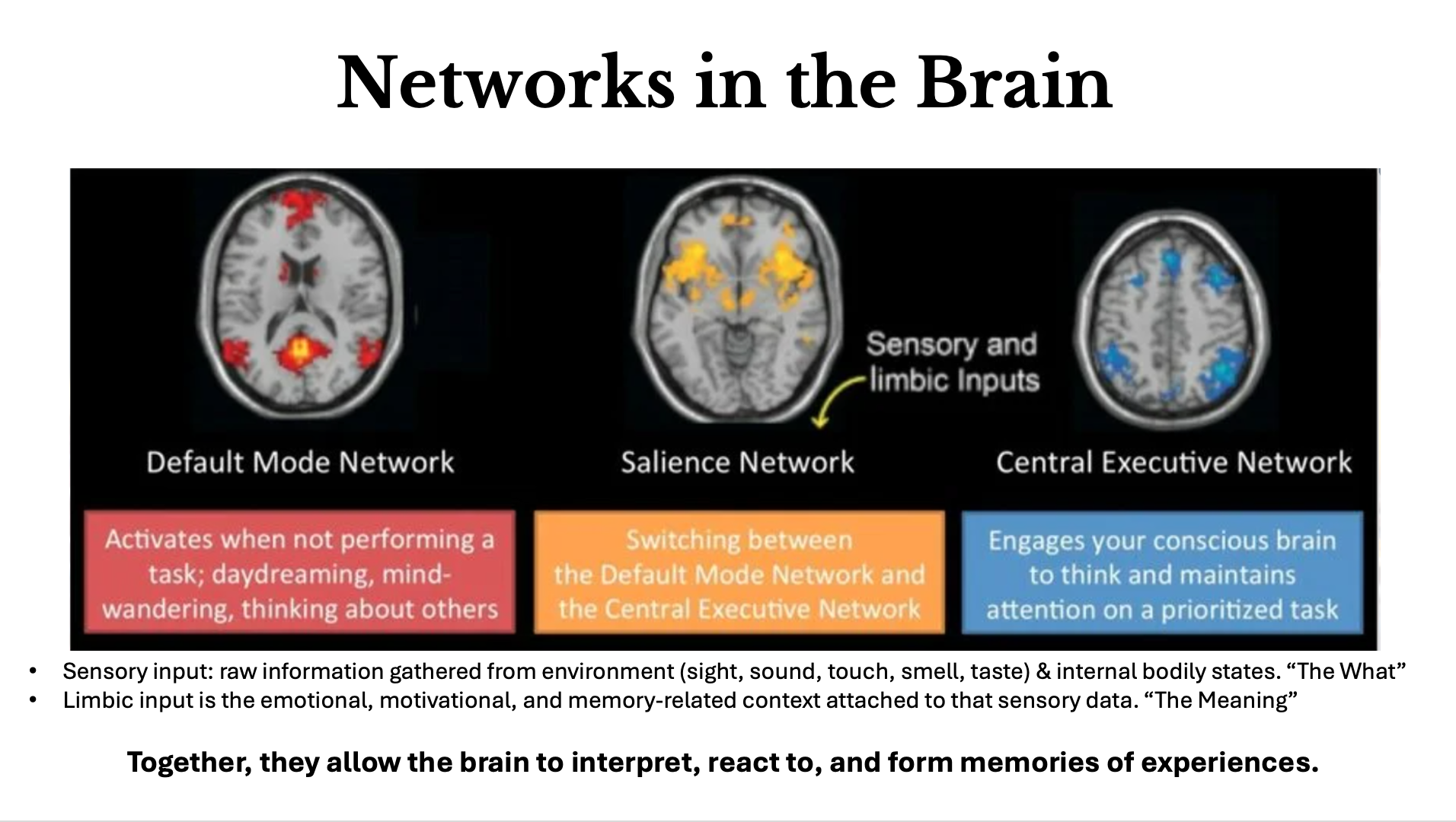
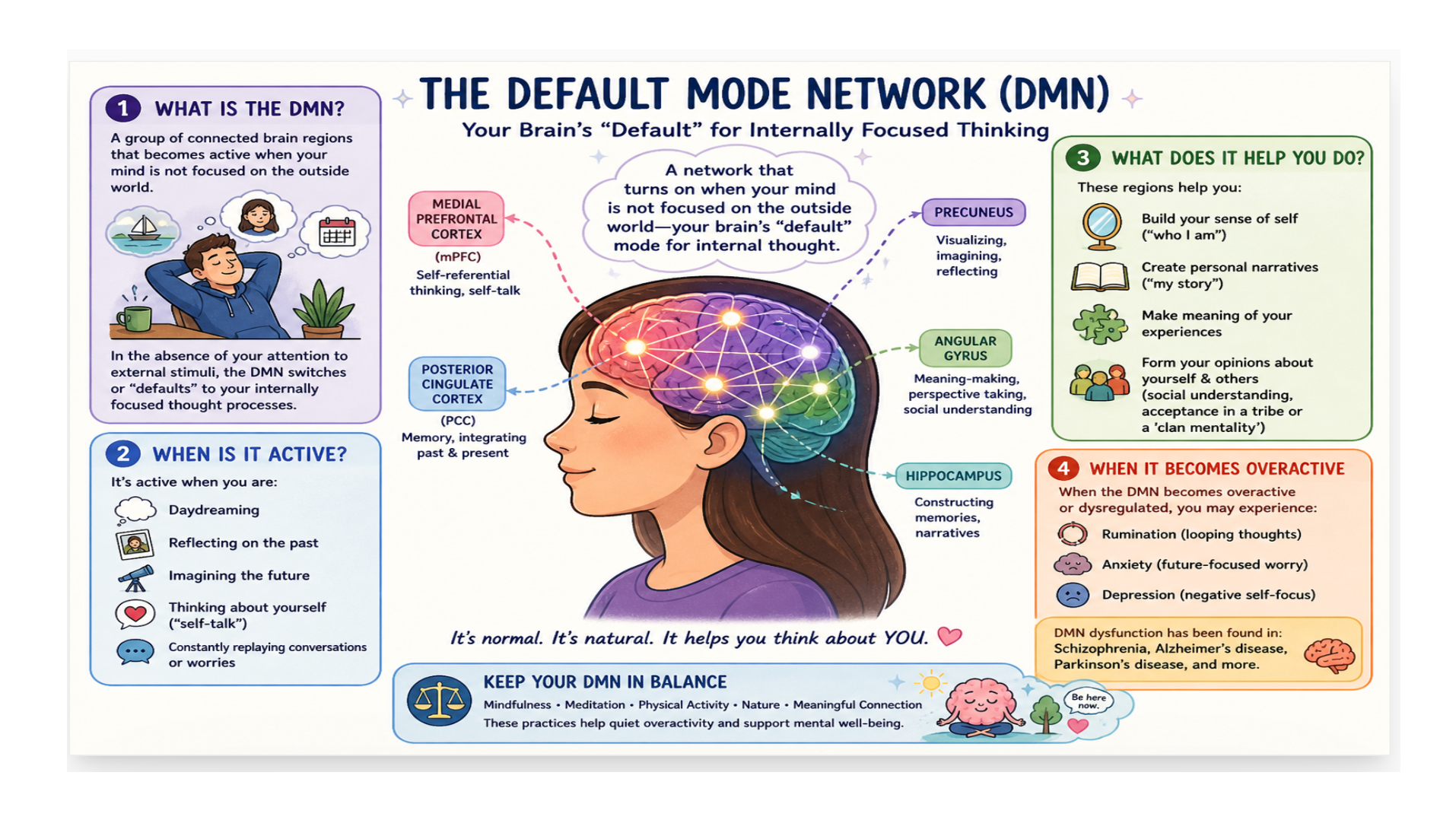
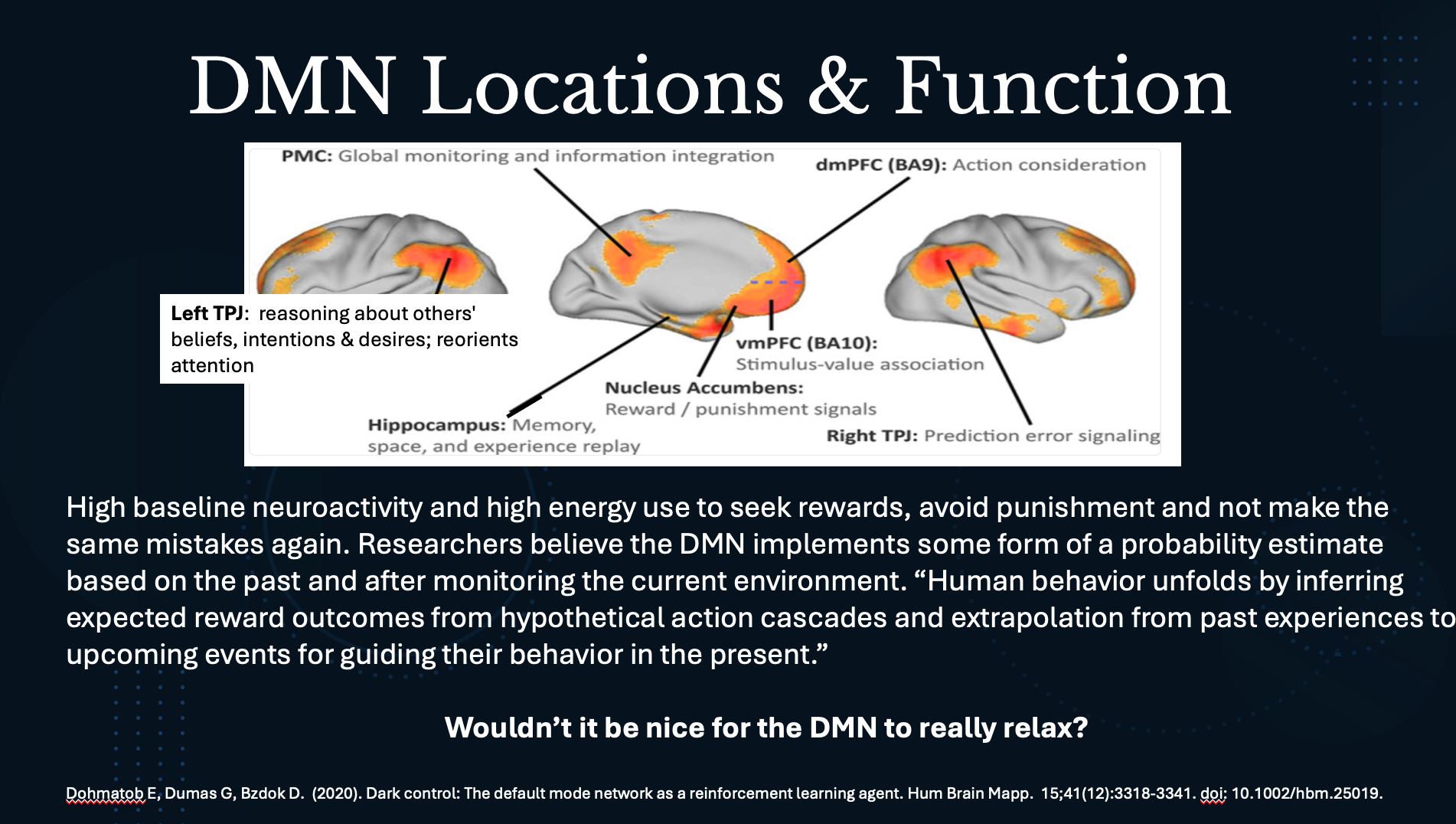
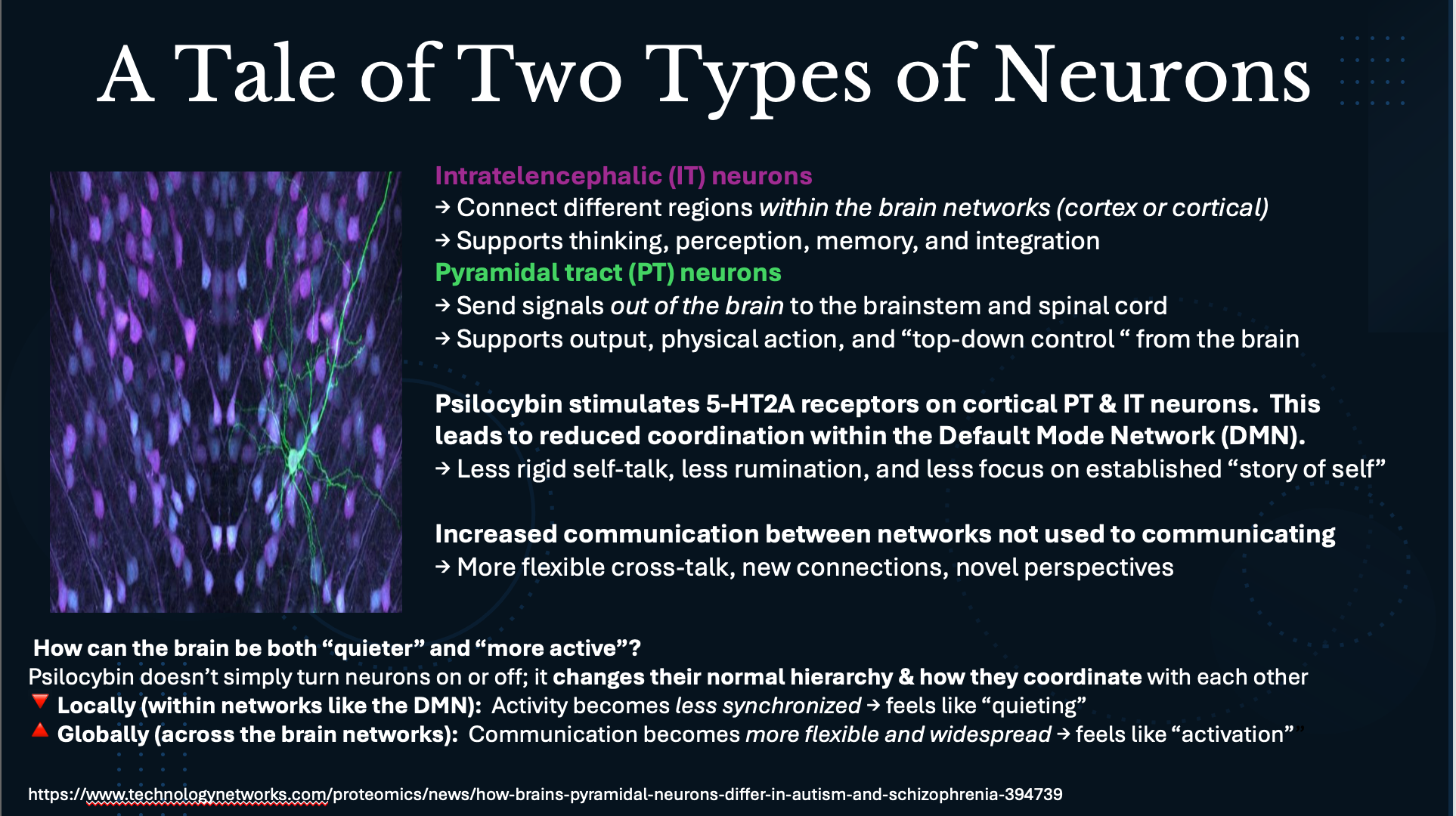
How does psilocybin work in the brain?
It may be helpful to watch these videos to understand the theories of how psilocybin mushrooms came to be used in ancient cultures and summaries of how it works inside the brain. It’s not important that you totally understand this material, but it does help you understand what happens in your brain when you take either a micro-dose or a regular dose. I think this will help you trust the medicine.
In this first video, discover the transformative potential of mushrooms and psychedelics in expanding human consciousness and unlocking deeper spiritual awareness. This video explores how psilocybin mushrooms interact with the brain to enhance cognitive function, alter perception, and promote mental health breakthroughs. Learn about the connection between psychedelic experiences, consciousness exploration, and the future of mind expansion and therapy.
https://www.youtube.com/watch?v=ygoAXqpHE6Q
The following video breaks down how low doses and regular doses of psilocybin affect the brain in completely different ways, from subtle mood shifts over weeks to dramatic changes in neural connectivity within hours. They explore the science behind neuroplasticity, the default mode network, emotional regulation, and why some people feel calmer while others experience profound perspective shifts. Using current research in neuroscience, this is a grounded look at how psilocybin reshapes the brain and mind.
https://www.youtube.com/watch?v=J2f8BNLKfp4
The next video breaks down the neuroscience behind magic mushrooms, from changes in neural connectivity to how the default mode network quietens down. You’ll learn how psilocybin increases neuroplasticity, alters perception, and helps the brain break out of rigid thought loops linked to depression and anxiety. Using clear explanations, this is a grounded look at how psilocybin “changes your mind.”
https://www.youtube.com/watch?v=wYimtJBIuGE
In the following video, explore the profound effects of psilocybin on the brain and its potential to unlock higher states of awareness, neuroplasticity, and cognitive flexibility. This video delves into the science behind psilocybin's impact on brain networks, including the default mode network, and how it promotes emotional healing, mindfulness, and enhanced perception. The therapeutic benefits of psilocybin for mental health conditions such as depression and anxiety, is becoming clear to medical and behavioral health professionals.
https://www.youtube.com/watch?v=JFnPTDla4Cc
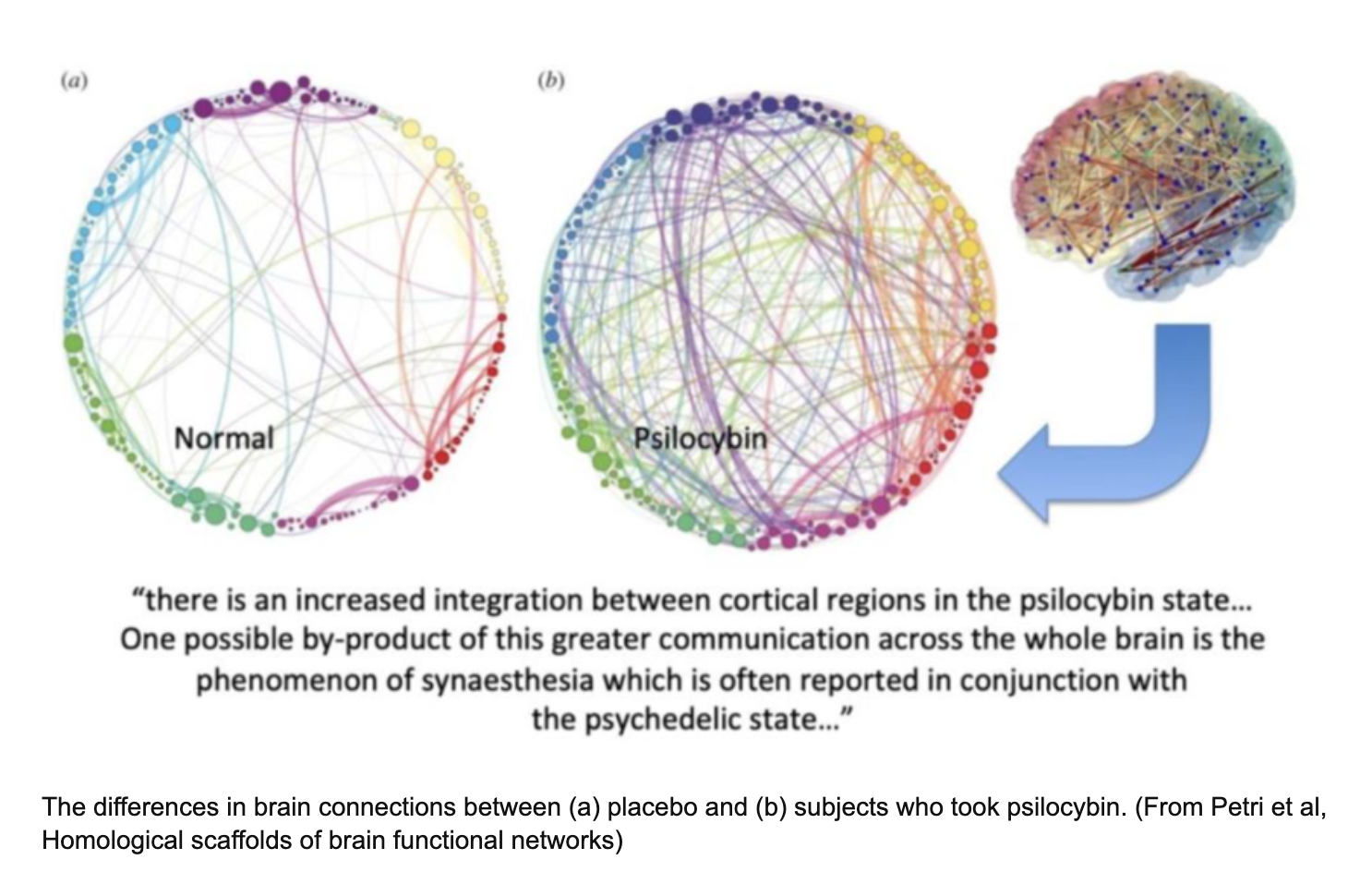
In a 2014 study, researchers (Petri, et al) looked at brain networks in a different way. Instead of focusing only on individual points and connections, they looked at patterns that appear in the network as a whole. To do this, they studied special shapes in the network called homological cycles. These shapes show loops and patterns that form when many connections work together. Using these patterns, they created something called homological scaffolds. These are tools that help summarize the important shapes in the brain network. They make it easier for scientists to study and understand how the brain’s connections are organized.
When they applied this method to 15 healthy volunteers who received either a placebo or psilocybin, they found a striking difference. After psilocybin, the brain’s functional networks became much more dynamic and flexible. Many short-lived connection patterns appeared and disappeared, along with a few strong, lasting patterns that were not seen with the placebo. This suggests that psilocybin temporarily reorganizes how different parts of the brain communicate, creating a more fluid and less rigid pattern of brain activity than normal waking consciousness. Petri G, et al. (2014). Homological scaffolds of brain functional networks. J R Soc Interface. Dec 6;11(101):20140873. https://pmc.ncbi.nlm.nih.gov/articles/PMC4223908/
The next video is based on the recent study by Joshua Siegal and his team at Washington University in St. Louis: Siegel JS, et al. (2024) Psilocybin desynchronizes the human brain. Nature. Aug;632(8023):131-138. doi: 10.1038/s41586-024-07624-5. https://pmc.ncbi.nlm.nih.gov/articles/PMC11291293/
It was produced by the North Spore company. There is a short commercial in the middle of the video:
https://www.youtube.com/watch?v=Pyo6Uyhogm8
The following video with Chase Hughes gets a little more detailed as he explains research that shows how psilocybin causes the Default Mode Network to quieten down while it causes other areas of the brain become more activated. It has to do with the differences in the brain cell types between the DMN and the other parts of the brain. I became very curious how this could be true and found the information below that explains it and is discussed in the article that this video summarizes…but watch the video first.
Chase Hughes is a leading expert in behavioral profiling, interrogation, and influence, known for his work with military, intelligence, and law enforcement. He's recognized as a top CEO and an influential figure in understanding real human patterns, not just superficial actions, having worked on advanced tactics for critical intelligence operations.
https://www.youtube.com/watch?v=lZ3_GUilpnk
The other big “take-away” from this s is that they found that when the connections in the DMN are weakened, that the study participant ‘can become what they focus on.’ One’s sense of Self is not fixed. One can rewrite the script of who they are when the new connections are made in the other parts of the brain. Chase Hughes states that this possibly be dangerous – perhaps to brainwash the enemy – but that seems unlikely to me. Just remember when Chase says, “They control you” that “they” is really YOU and your inner healing intelligence. You decide what your intention is. You decide what to focus your attention on during and after your journey. You can choose who you want to become and rewrite your story as you do your Integration. This is how some people have one medium to large dose and it changes their mind.
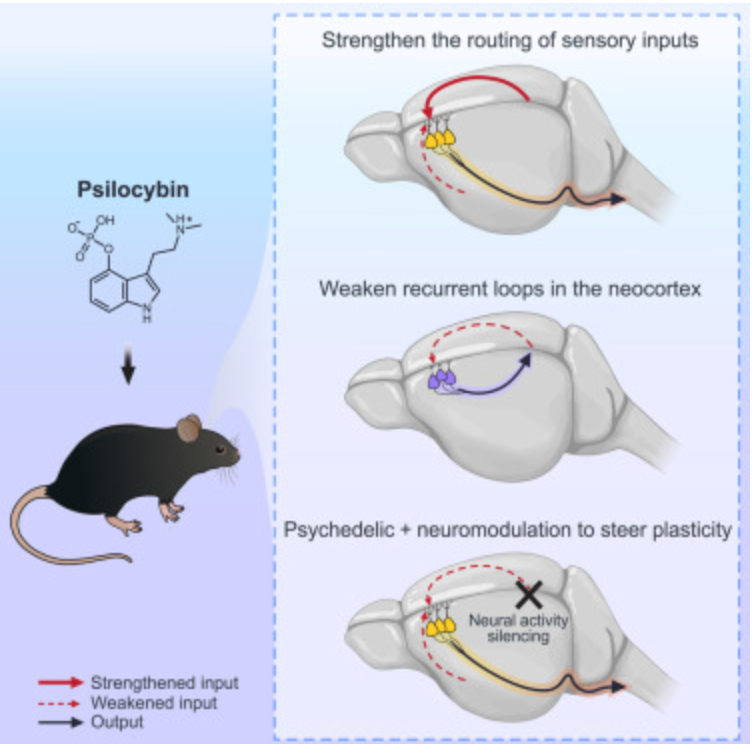
Below is the infographic from 2026 study that Chase Hughes is referring to in his video; and a comparison of PT and IT neurons.
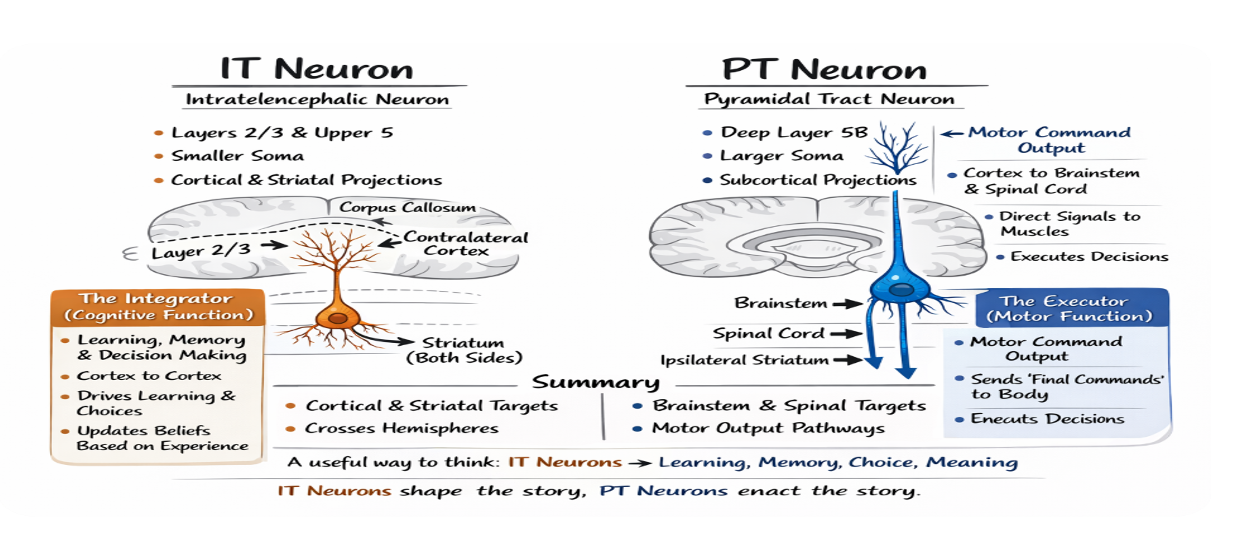
Jiang Q, et al. (2026). Psilocybin triggers an activity-dependent rewiring of large-scale cortical networks Cell, Volume 189, Issue 2, 659 - 675.e22. https://www.cell.com/cell/fulltext/S0092-8674(25)01305-4
Psilocybin strengthens pathways that route sensory inputs to subcortical regions - the PT neurons that go to the brainstem, and downward through the body via the spinal cord and ipsilateral striatum
Psilocybin weakens inputs associated with cortico-cortical feedback loops - the IT neurons in the Default Mode Network
https://news.cornell.edu/stories/2025/12/dose-psilocybin-dash-rabies-point-treatment-depression
During the 2 -3 weeks that psilocybin has altered connections in your brain is the time when dendrites are beginning to grow longer and denser as this picture shows:
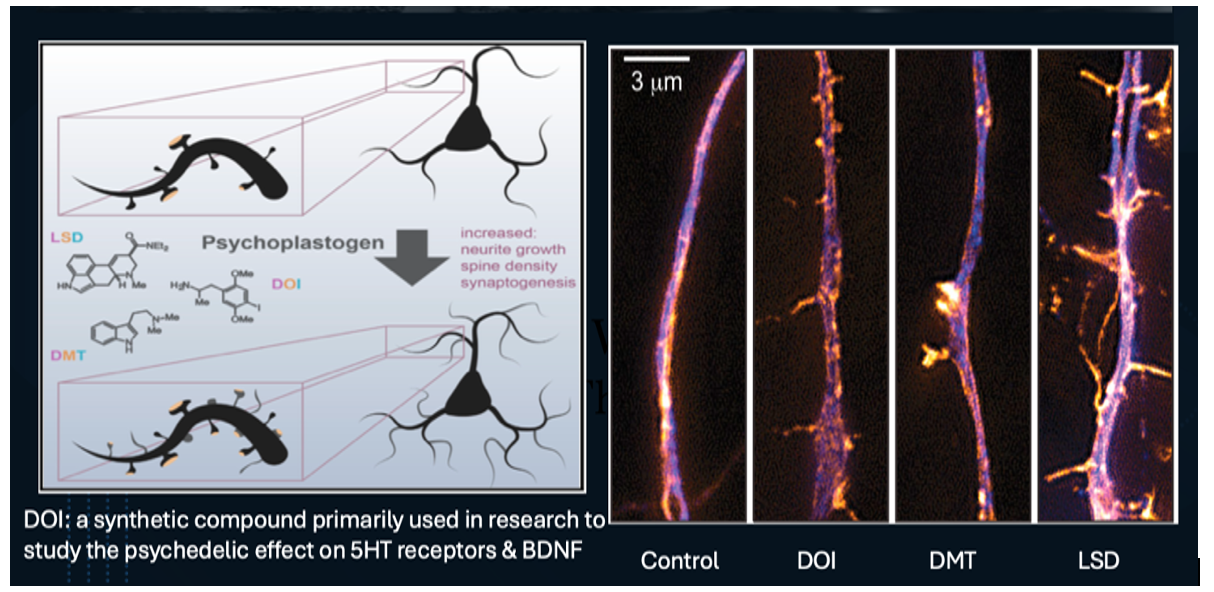
Psilocybin Pathways in the Brain
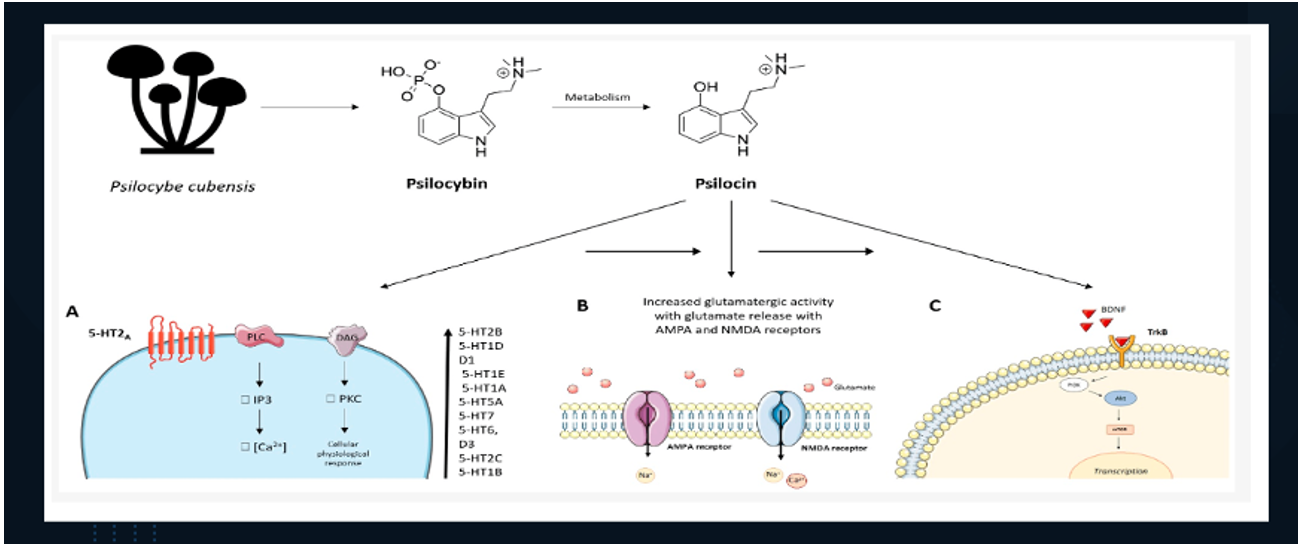
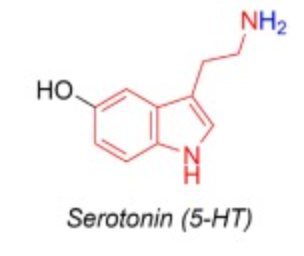
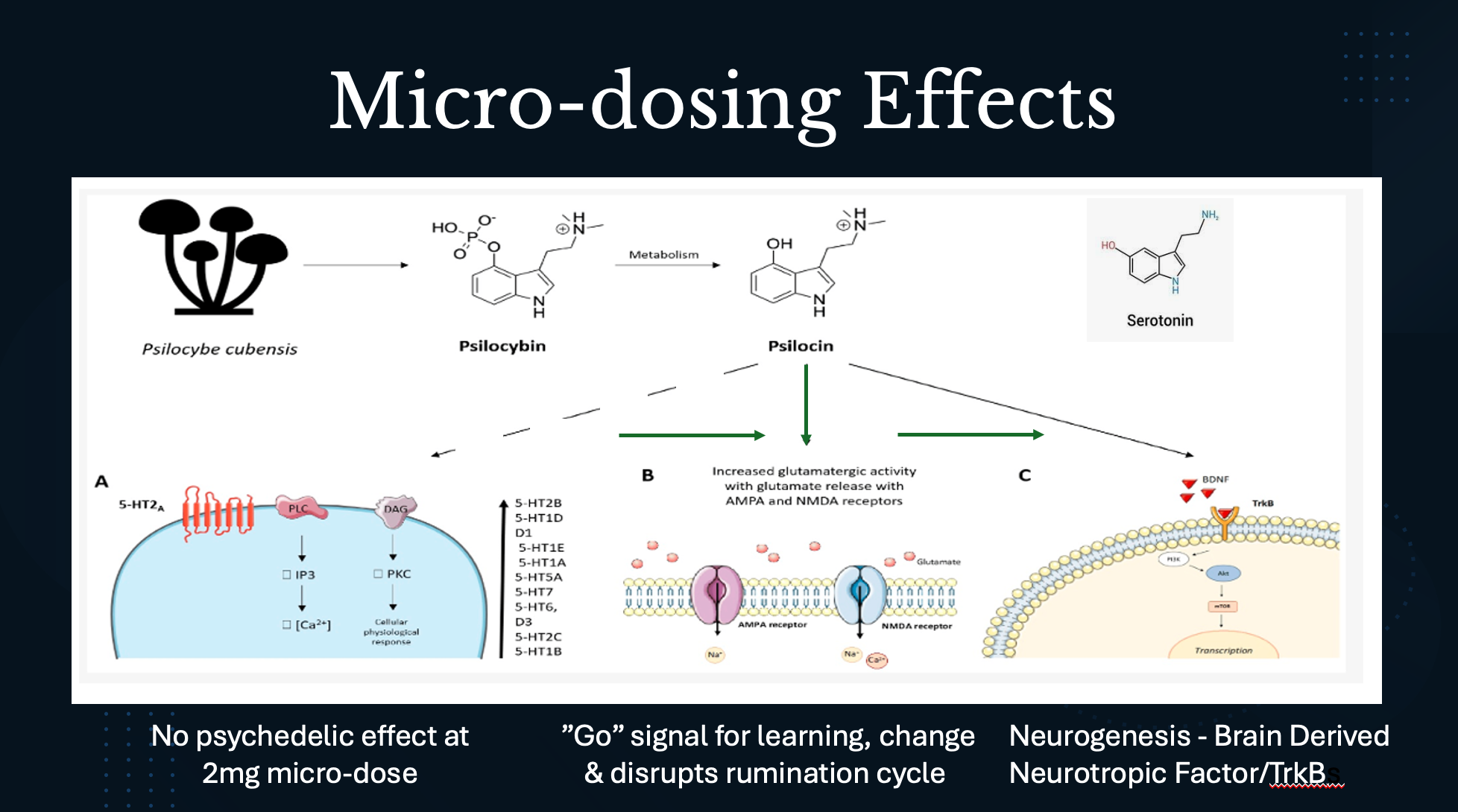
After you consume psilocybin mushrooms, your body metabolizes it into a compound called psilocin. If you compare the chemical structure of psilocybin to serotoninin (5HT), you can understand how psilocin attaches to serotonin receptors in the body. There are many different serotonin receptors in the body and psilocin binds to each of them with different affinities. You can see that the main serotonin receptor that leads to the “psychedelic effect” in the brain is 5HT2A. Psilocin binds to the others listed in the diagram below - having the lowest affinity for 5HT1B and an increasing affinity for binding as you look up the list.
The D1 and D3 in this list refers to dopamine and you probably know that dopamine makes your feel calmer and happier. There’s more about dopamine later on.
The first pathway on the left side is via the 5HT2A - a serotonin receptor. When the dose of psilocin is approximately 7 mg, this is when the psychedelic effects occur. If you take a micro-dose of about 2mg of psilocin, this pathway is not activated enough to cause any psychedelic effects. However, the reactions in the middle and on the right occur to a lesser degree. This is because the first pathway catalyzes the second and third pathways - shown by the horizontal arrows.
The middle part of the diagram shows the second proposed pathway, which results in the activation of the AMPA and NMDA receptors. These brain receptors work together to help the brain learn and form memories. They are both activated by the neurotransmitter, glutamate, which is the main excitatory (activating) chemical signal in the brain. AMPA receptors allow neurons to talk to each other quickly. NMDA receptors help the brain recognize “this connection is important—strengthen it.” They work together to produce a process called Long‑Term Potentiation, which is one of the main biological mechanisms behind learning and memory.
The right side of the diagram shows the third proposed metabolic pathway that has been studied in animal models. After psilocybin attaches to the 5HT2A receptos and activates glutamate and the AMPA and NMDA systems, dendrite growth is stimulated via the Brain Derived Neurotropic Factor (BDNF) pathway. The BDNF pathway is one of the brain’s most important systems for learning, memory, and neuroplasticity. This is the brain’s ability to change and rewire itself. BDNF binds to a receptor on neurons called the TrkB receptor. Activation of the TrkB receptor triggers several important molecular pathways, including:
MAPK/ERK signaling pathway – helps control gene expression related to learning
PI3K-Akt signaling pathway – promotes neuron survival and growth
PLCγ signaling pathway – helps strengthen synapses
This leads to Ca2+ influx and initiation of signaling cascades that promote dendritic spine enlargement or the formation of new spines. When calcium (Ca²⁺) signals stay active in a neuron for a while, they trigger important changes in the cell. One of the first things that happens is that a protein called CREB becomes activated. CREB then moves into the cell’s nucleus, where the DNA is located.
Once in the nucleus, CREB turns on a group of very fast-acting genes called immediate early genes (IEGs), such as c-fos and jun. These genes act like “master switches” that activate many other genes involved in transcription of DNA.
Those downstream genes produce plasticity-related proteins (PRPs)—proteins that help the brain change and adapt. These include:
new receptors that help neurons communicate;
structural proteins that strengthen or reshape synapses;
neurotrophins, which support neuron growth and survival.
Through its receptor TrkB, BDNF activates multiple signaling pathways, including Akt and ERK, to sustain plasticity and promote its own expression in a positive feedback loop. In parallel, mTORC1 is activated both downstream of BDNF and through Ca2+-sensitive mechanisms, supporting local translation of synaptic proteins essential for structural remodeling.
This process also helps produce Long-Term Potentiation, a key biological mechanism of memory. The BDNF pathway converts neural activity and experience into physical changes in brain connections, allowing learning, emotional healing, and memory formation.
Ketamine works primarily by only blocking the NMDA receptor, which also causes a surge of glutamate signaling and activation of BDNF pathways. Current evidence suggests psilocybin-induced structural changes may persist longer, while ketamine produces a faster but often shorter-lived plasticity window.
https://www.cell.com/trends/pharmacological-sciences/fulltext/S0165-6147%2825%2900200-7#f0005
Several serotonin receptors in the brain; especially 5‑HT1 receptor, 5‑HT2 receptor, 5‑HT3A receptor, and 5‑HT7 receptors help regulate how the body processes pain. However, their effects vary depending on factors such as the density of the receptors (aging may decrease density), where the receptors are located, the dose of medicine affecting them, how the medicine is administered, and the type and duration of pain.
Among the other serotonin receptors, 5‑HT2C receptor appears to play an important role in the psychedelic effect of psilocybin. When the serotonin blocker ketanserin is given before psilocybin, it prevents this receptor from contributing to the psychedelic effects.
Activation the 5‑HT2A receptor, may also reduce inflammation. When this receptor is stimulated, it can suppress several inflammatory signaling pathways, including Tumor Necrosis Factor‑alpha, a key molecule involved in inflammation, infection, cancer, and neuropathic pain. Because TNF-related inflammation in the nervous system may contribute to chronic pain, reducing TNF signaling could potentially have therapeutic benefits.
This anti-inflammatory effect may also influence other immune molecules such as ICAM-1, VCAM-1, IL-5, and GM-CSF, which are involved in immune responses and inflammatory diseases. Because of this, serotonin-related signaling pathways might have therapeutic potential in conditions such as eosinophilic asthma.
Importantly, the anti-inflammatory effects of psilocybin may not require doses high enough to produce a full mystical psychedelic experience, although this has not yet been fully studied.
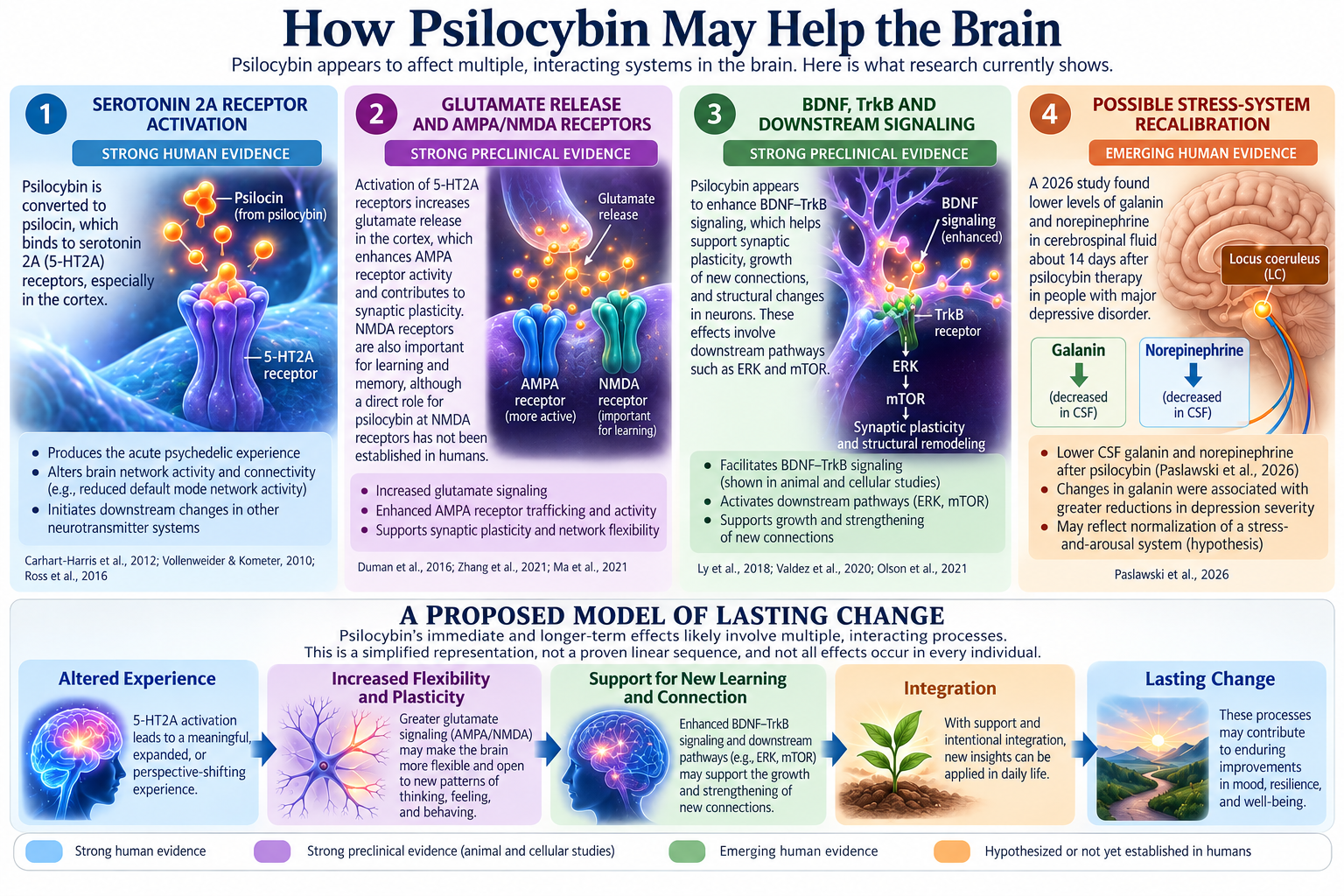
An article published in 2026 has a new proposed pathway that was studied in humans.
Psilocybin May Affect More Than Serotonin
Most discussions of psilocybin begin with serotonin. Psilocybin is converted to psilocin, which produces its psychedelic effects largely through activation of serotonin 2A (5-HT2A) receptors. However, emerging research suggests that some of psilocybin's longer-lasting effects may involve other neurotransmitter systems as well.
One particularly interesting system involves the locus coeruleus (LC), norepinephrine, and a neuropeptide called galanin.
What Is the Locus Coeruleus?
The locus coeruleus, or LC, is a very small structure located deep in the brainstem. Despite its small size, it sends norepinephrine-containing nerve fibers throughout much of the brain and is the brain's principal source of norepinephrine.
Norepinephrine—also called noradrenaline—helps regulate alertness, attention, motivation, arousal, and responses to stress. When something important or threatening happens, the LC helps the brain and body mobilize to respond (Weinshenker & Holmes, 2016).
This system is essential. We do not want to eliminate norepinephrine or simply make the LC less active. Instead, a healthy LC needs to be flexible—quiet when circumstances are safe and appropriately responsive when attention or action is required.
Chronic stress may disrupt this balance. Research has therefore focused on whether abnormal regulation of the LC–norepinephrine system contributes to some forms of depression. The evidence does not support the simple conclusion that everyone with depression has an “overactive LC.” Rather, depression appears to involve dysregulation of this system in at least some people, particularly in stress-related forms of depression (Hökfelt et al., 2018).
What Is Galanin?
Galanin is not a traditional neurotransmitter like serotonin, dopamine, or norepinephrine. It is a neuropeptide that helps regulate neuronal activity.
Galanin and norepinephrine coexist in many of the same LC neurons. Under ordinary conditions, LC neurons generally fire at relatively low rates and release norepinephrine. During more intense or prolonged activation—such as significant stress—LC neurons can fire more rapidly or in bursts, and galanin may be released along with norepinephrine (Barde et al., 2016; Hökfelt et al., 2018).
One way to think about galanin is as part of the brain's regulatory system for stress and arousal. It can modify norepinephrine signaling and, depending upon which galanin receptor and brain region are involved, can inhibit or otherwise alter neuronal activity.
This means that galanin is not simply a “bad chemical” associated with depression. It normally performs important regulatory functions.
What Happens to Galanin in Depression?
This is where the story becomes especially interesting.
In a postmortem human study, Barde and colleagues (2016) found substantial changes in the galanin system in the brains of people with major depressive disorder who had died by suicide. In particular, galanin and galanin receptor-3 (GALR3) gene expression were increased in the locus coeruleus and dorsal raphe nucleus, two brain regions involved in norepinephrine and serotonin signaling.
The researchers proposed that chronic or severe stress might repeatedly activate LC neurons, increasing norepinephrine and galanin signaling. Over time, this system may become maladaptive rather than protective (Barde et al., 2016).
However, this finding should not be interpreted as meaning that everyone with depression has “too much galanin.” Galanin's effects vary substantially by brain region and receptor type, and the Barde study examined postmortem brains from people with severe depression who had died by suicide. It therefore cannot necessarily be generalized to every person experiencing depression.
A better way of describing this evidence is:
Some forms of depression may involve abnormal regulation of the LC–norepinephrine–galanin stress system.
What Did the New Psilocybin Study Find?
A 2026 study by Paslawski and colleagues provides a fascinating new piece of this puzzle.
The researchers studied people with major depressive disorder who participated in a randomized, placebo-controlled trial of psilocybin therapy. They collected cerebrospinal fluid (CSF) before treatment and again approximately two weeks afterward.
About 14 days after psilocybin treatment, two substances were significantly reduced in the CSF:
Galanin ↓
Norepinephrine ↓
(Paslawski et al., 2026).
This was particularly intriguing because galanin and norepinephrine are closely associated within LC neurons.
The researchers proposed that the simultaneous reduction in these two substances could represent a normalization of the galanin–norepinephrine system following psilocybin treatment (Paslawski et al., 2026).
There was another important finding. Changes in galanin were associated with changes in depression severity: greater reductions in galanin tended to occur alongside greater reductions in Montgomery–Åsberg Depression Rating Scale (MADRS) scores (Paslawski et al., 2026). This raises the possibility that changes in the galanin system are related to psilocybin's antidepressant effects.
But it does not prove that lowering galanin caused the improvement in depression. The study was also small. Paired CSF samples were available from only about 14 psilocybin-treated participants and 11 placebo participants. These findings therefore need replication in larger studies (Paslawski et al., 2026).
Could Psilocybin Be “Recalibrating” the Stress System?
Possibly—but this remains a hypothesis. One theoretical model might look like this:
Chronic stress / depression: → dysregulated LC activity. → altered norepinephrine + galanin signaling. → difficulty appropriately regulating stress and arousal
Then:
Psilocybin Administration.:→ acute 5-HT2A activation. → changes in brain signaling and network activity. → downstream changes over subsequent days.
→ possible recalibration of LC-related regulation. → lower CSF norepinephrine + galanin approximately two weeks later
(Paslawski et al., 2026).
The important word is possible. The investigators measured chemicals in cerebrospinal fluid; they did not directly measure LC neuronal firing before and after psilocybin. We therefore cannot yet say that psilocybin “reset the locus coeruleus.”
A more scientifically accurate interpretation is that psilocybin produced longer-lasting changes in chemicals closely associated with LC function, and those changes may reflect normalization or recalibration of this stress-and-arousal system.
An updated infographic about how we think psilocybin works is shown below. This shows the three pathways I’ve presented previously but includes the Galanin-Norepi system in the Locus coeruleus from the study cited here: Paslawski, W.,et al. (2026). CSF galanin and noradrenaline downregulation by psilocybin therapy in major depressive disorder. Neuropsychopharmacology, 51, 1898–1901. https://doi.org/10.1038/s41386-026-02490-3
More about dopamine
We know that psilocybin attaches to serotonin receptors called 5-HT2A receptors on pyramidal neurons, which are major communication cells in the cortex. Psilocybin also activates and then regulates the amount of dopamine released.
Striatal Dopamine Release: Human positron emission tomography (PET) scans show that psilocybin significantly increases endogenous dopamine concentrations in the striatum. This displacement of receptor-bound tracking agents indicates that a wave of dopamine is physically flooding the environment where D1 and D3 reside.
Hyper-Activation of D1: The elevated dopamine levels in the prefrontal cortex and striatum intensely stimulate D1 receptors. In the science of learning and behavioral reinforcement, the high D1 activation drives the “direct pathway” which promotes neuroplasticity, novelty-seeking behavior, and shifts in perception.
Regulatory Pull of D3: Because D3 receptors have a fundamentally high affinity for dopamine, they are incredibly sensitive to the massive influx of dopamine triggered by psilocybin. D3 receptors in the limbic system and ventral striatum engage as a regulatory brake, managing the intense emotional processing, euphoria, and depersonalization associated with the psychedelic experience.
Sensitization Effects: Studies on psychedelic mechanisms suggest that initial serotonin activation serves to sensitize downstream dopamine pathways. This cross-talk fundamentally alters receptor sensitivity, allowing even minor amounts of subsequent dopamine to provoke a more pronounced cellular response.
When these receptors are activated, the pyramidal neurons release more glutamate, the brain’s main “go” signal. Glutamate helps different parts of the brain communicate and stimulates the growth of new connections between neurons. This increased communication also may help people break out of rigid patterns of thinking, such as rumination, hopelessness, and negative self-talk that are common in depression. This is where ketamine exerts it main mechanism of action for depression. However, ketamine is a NMDA blocker not an activator of the NMDA receptor.
The burst of glutamate also activates GABA-producing interneurons. GABA is the brain’s main “calming” signal. These interneurons act like brakes, helping quiet circuits that are overactive during stress, anxiety, and depression. As these circuits become less noisy and more balanced, people may feel calmer, less emotionally overwhelmed, more able to think clearly and hopefully less depressed.
Together, the temporary increase in glutamate and the balancing effect of GABA may improve mood by making the brain more flexible and less stuck in unhealthy patterns. At the same time, glutamate promotes neuroplasticity—the brain’s ability to form and strengthen new connections—which may help support lasting positive changes in mood, perspective, and behavior.
PLEASE SEE THE RESOURCES PAGE FOR THE SUMMARY REGARDING THE GALANIN- NOREPINEPHRINE SYSTEM IN THE LOCUS COERULEOUS.
References for this material:
Aldhalmi AK, et al. (2022). Association of Tumor Necrosis Factor-α and Myeloperoxidase enzyme with Severe Asthma: A comparative study. Rep Biochem Mol Biol 11(2):238-245.
Casanova, A, et al. (2024). The influence of psilocybin on subconscious and conscious emotional learning. iScience 27(6): 110034. https://doi.org/10.1016/j.isci.2024.110034.
Dodd S, et al. (2023). Psilocybin in neuropsychiatry: a review of its pharmacology, safety, and efficacy. CNS Spectrums 28(4):416.
Cortes-Altamirano JL, et al. (2018). Review: 5-HT1, 5-HT2, 5-HT3 and 5-HT7 Receptors and their Role in the Modulation of Pain Response in the Central Nervous System. Curr Neuropharmacol 16(2):210-221.
Flanagan TW & Nichols CD. (2018): Psychedelics as anti-inflammatory agents. International Review of Psychiatry DOI: 10.1080/09540261.2018.1481827.
Szpręgiel I, Bysiek A. Psilocybin and the glutamatergic pathway: implications for the treatment of neuropsychiatric diseases. Pharmacol Rep. 2024 Dec;76(6):1297-1304.
Vollenweider, F., Vontobel, P., Hell, D. et al. 5-HT Modulation of Dopamine Release in Basal Ganglia in Psilocybin-Induced Psychosis in Man—A PET Study with [11C]raclopride. Neuropsychopharmacol20, 424–433 (1999). https://doi.org/10.1016/S0893-133X(98)00108-0
Yu B, et al. (2008). Serotonin 5-hydroxytryptamine(2A) receptor activation suppresses tumor necrosis factor-alpha-induced inflammation with extraordinary potency. J Pharmacol Exp Ther 327(2):316-23.
More detailed information can be found at: https://www.cambridge.org/core/journals/cns-spectrums/article/psilocybin-in-neuropsychiatry-a-review-of-its-pharmacology-safety-and-efficacy/AA1FB4F49C14BA3F398238D6E5A3947A

What happens after I take psilocybin?
This was a complex study but I mainly included it because the researchers included all the subjective feelings that their participants expereinced. In the study, fifteen healthy volunteers who had previously used psychedelics participated in two separate brain-scanning sessions using magnetoencephalography (MEG), a technique that measures rapid changes in brain activity. During one session, participants received a placebo saline infusion, and during the other they received 2 mg of intravenous psilocybin. Because psilocybin delivered intravenously acts within seconds, researchers were able to observe the transition from ordinary waking consciousness into the psychedelic state almost in real time.
Participants rested quietly with their eyes open while focusing on a fixed point during the scans. Brain activity was recorded before, during, and after the infusion. About six minutes after receiving psilocybin, participants also completed a simple visual and movement task designed to measure changes in brain oscillations related to sensory processing.
All participants reported strong alterations in consciousness after psilocybin administration. The most commonly reported effects included changes in visual perception, altered sense of space and time, more fluid or “loosely connected” thinking, and a heightened or more vivid imagination. Some participants also experienced deeper alterations in self-awareness, including feelings of depersonalization or “ego disintegration,” where the normal sense of self temporarily became less defined.
Participants rated the intensity of the psilocybin experience as very strong, averaging about 78% of maximum intensity five minutes after infusion and remaining high at about 65% after fifteen minutes. In contrast, placebo produced almost no noticeable effects.
Overall, the study demonstrated that intravenous psilocybin can rapidly and profoundly alter conscious experience while producing measurable changes in brain activity. The findings helped researchers better understand how psilocybin affects perception, imagination, sense of self, and the brain networks involved in conscious awareness. The graph below describes their subjective feelings during journeys.
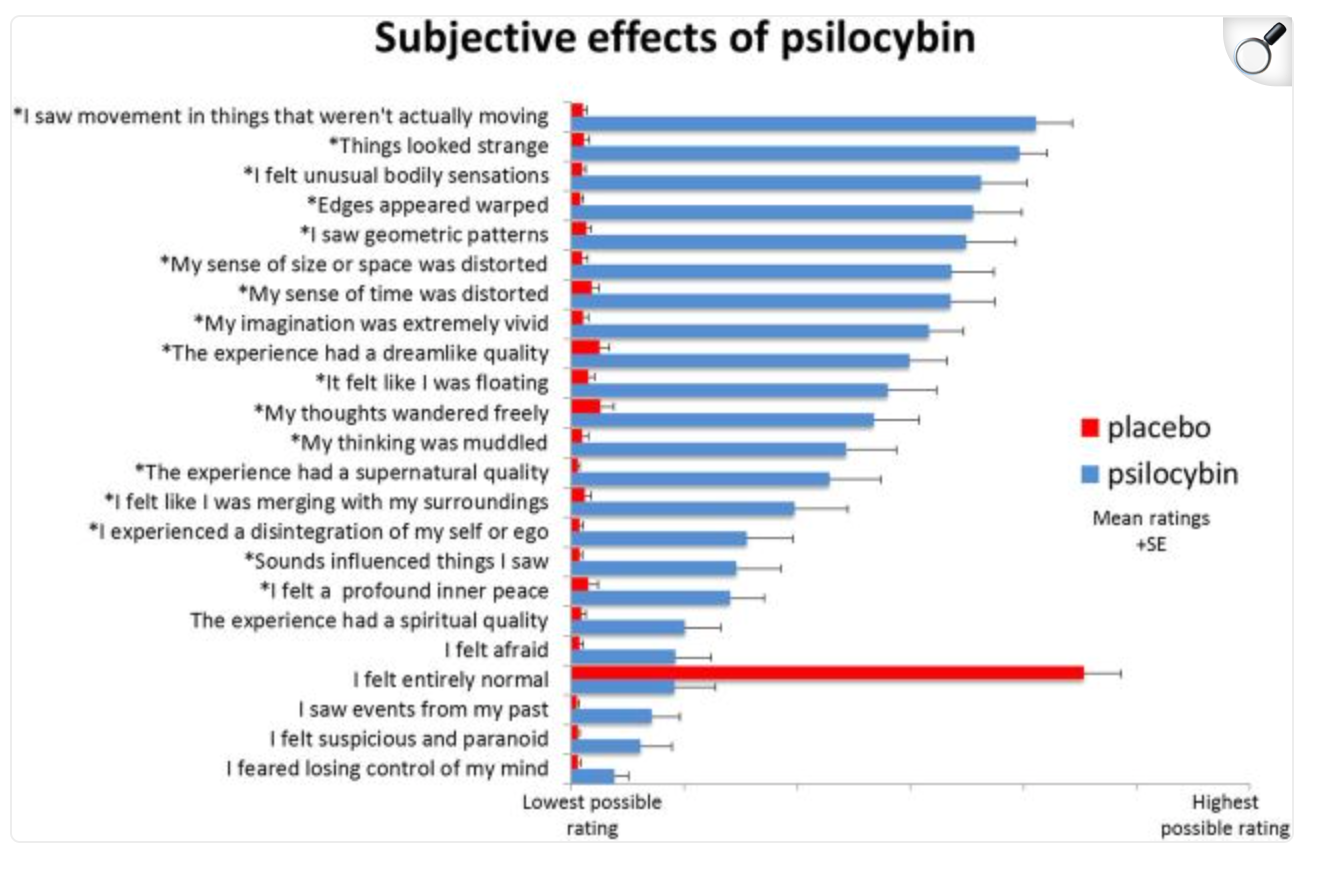
Muthukumaraswamy SD, et al (2013). Broadband cortical desynchronization underlies the human psychedelic state. J Neurosci. 33(38):15171-83. https://pmc.ncbi.nlm.nih.gov/articles/PMC6618409/
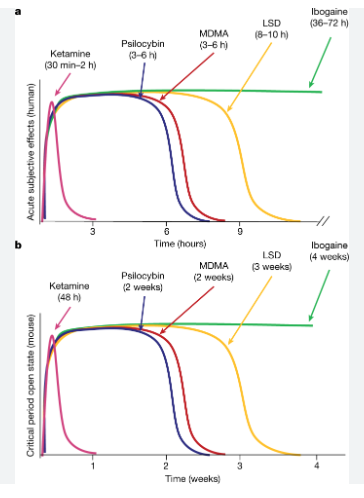
Of course, this doesn’t mean that you will have the same reaction as the study participants. Every person is different. Every journey is different in the same person. However, what is common to all journeys, depending on the psychedelic and the dose, is that you have a “window of opportunity” to change your mind. The graph below illustrates that for psilocybin, it is believed that you have about three weeks when the changes are beginning to happen. That doesn’t mean that new insights don’t happen after three weeks. Most people find that they continue getting new perspectives depending on their dedication to their Integration practices.
A critical period is a special window in development when your brain is especially open to learning and change. During these times, experiences can shape your brain more easily and have lasting effects. A familiar example is early childhood, when children learn language and social skills much more readily than adults. A similar situation occurs after taking psilocybin. After the DMN is desynchronized or scrambled, and new connections begin to form between other brain networks, a critical period of 2 -3 weeks is primed for changing your mind and adopting new behaviors that are positive. No other medicines provide this window of opportunity except for psychedelic medicines.
In this study, researchers found that several psychedelic drugs were able to temporarily reopen a critical period for social reward learning in adult mice. In other words, after receiving these drugs, adult mice became more able to relearn the positive value of social connection, much like younger animals whose brains are naturally more flexible. The researchers also found that the length of time this “opening a window of opportunity” remained active in mice roughly matched how long the acute psychedelic effects are reported to last in humans. At the brain level, this reopening was associated with restored oxytocin-related plasticity in the nucleus accumbens, a region involved in reward, bonding, and motivation. They also found changes in genes related to the extracellular matrix, suggesting that psychedelics may loosen and remodel the brain’s structural scaffolding, allowing new learning and connections to form more easily.
In simple terms, the study suggests that psychedelics may temporarily return the adult brain to a more youthful and flexible state, making it easier to form new, healthier patterns of social connection and emotional learning. You an see the differences between ketamine, psilocybin, MDMA, LSD and Ibogaine below. In the top graph (a) you can see the acute subjective effects persist for 3-6 hours in humans; and in (b) the critical period was open for 2 weeks in mice who had received psilocybin. LSD and Ibogaine lasts quite a bit longer; and ketamine is the shortest acting.
Reference: Nardou, R., Lewis, E. M., Rothhaas, R., et al. (2023). Psychedelics reopen the social reward learning critical period. Nature, 618(7964), 790–798.
https://www.nature.com/articles/s41586-023-06204-3#citeas
What about micro-dosing?
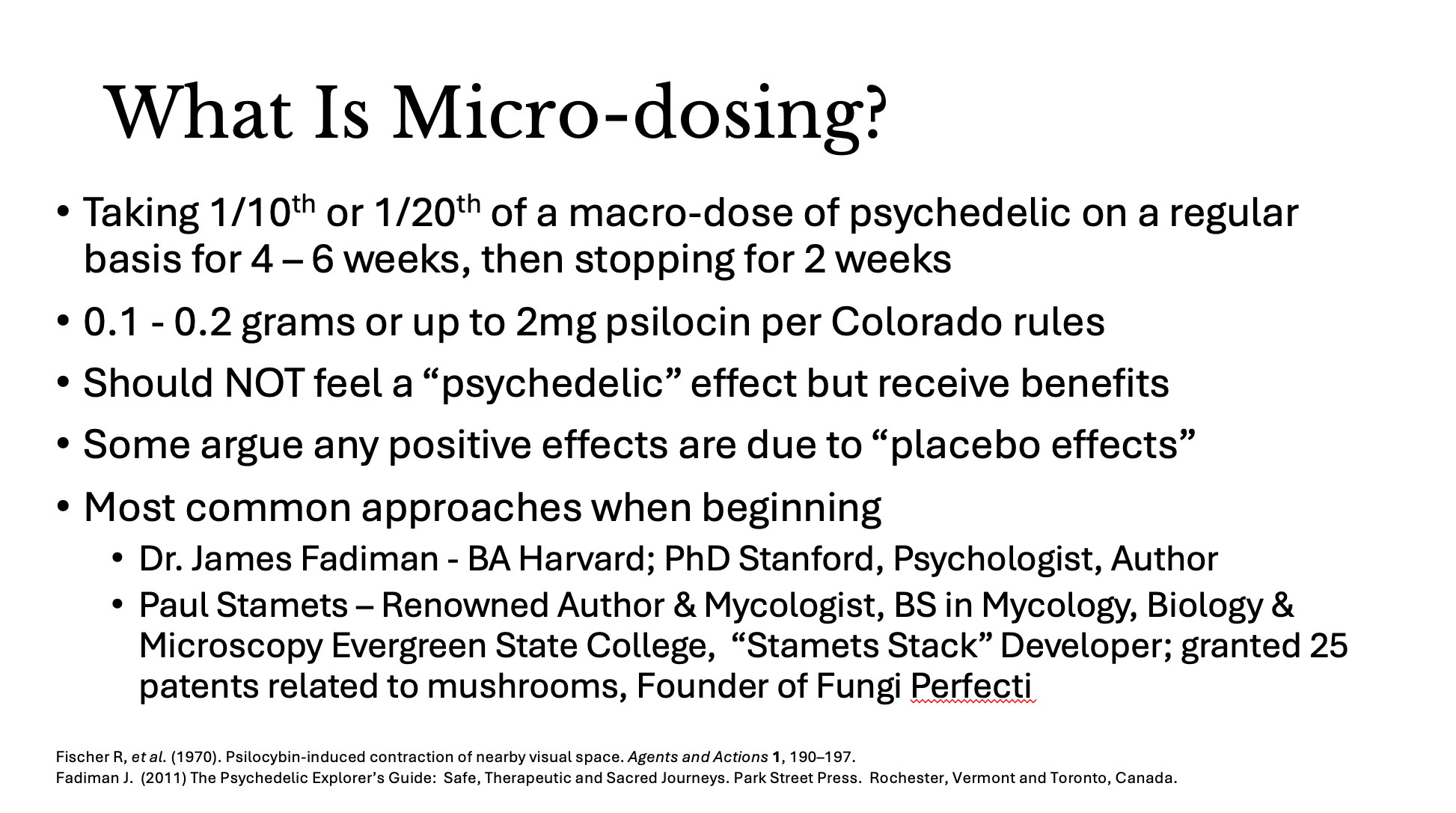
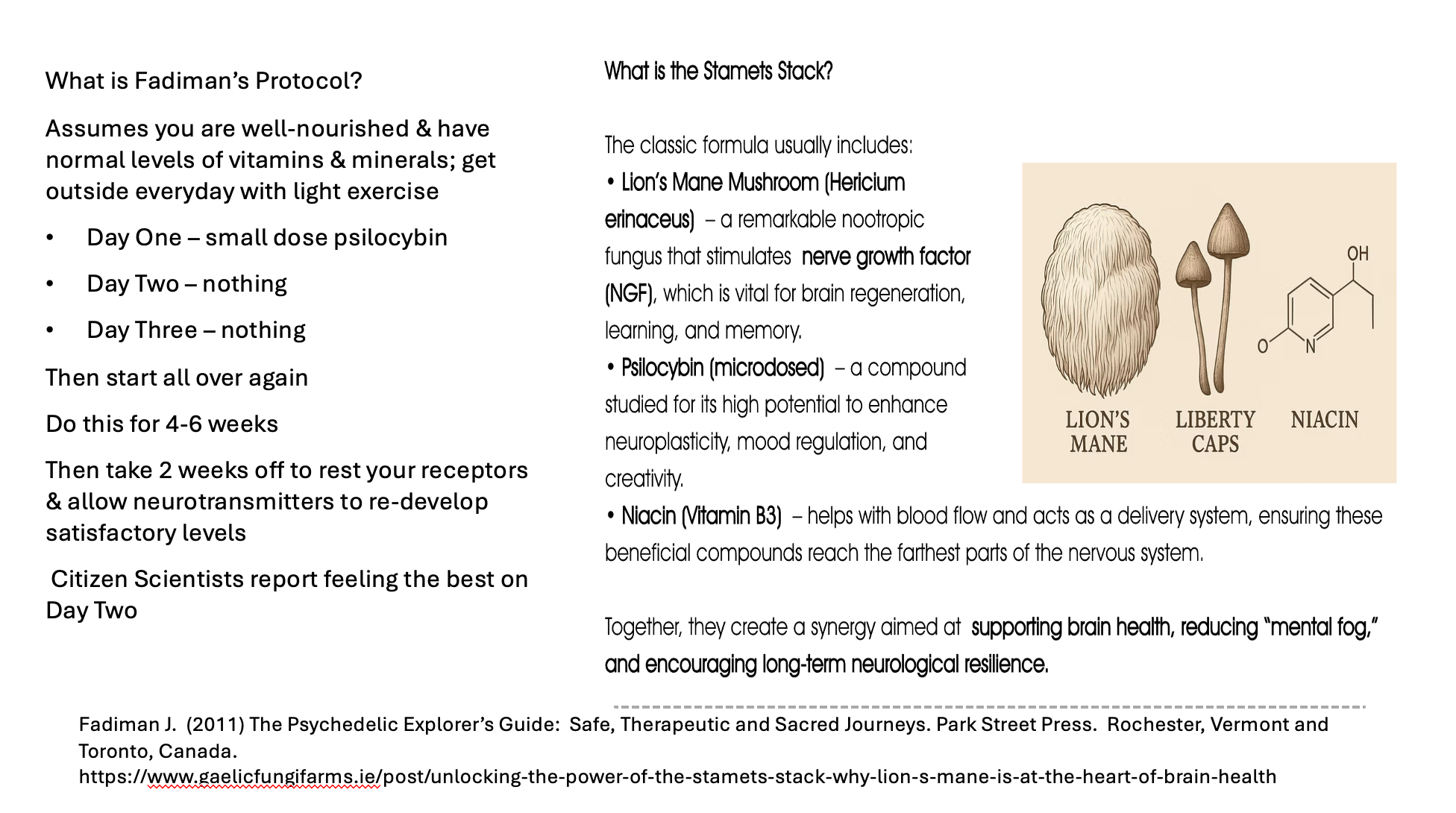
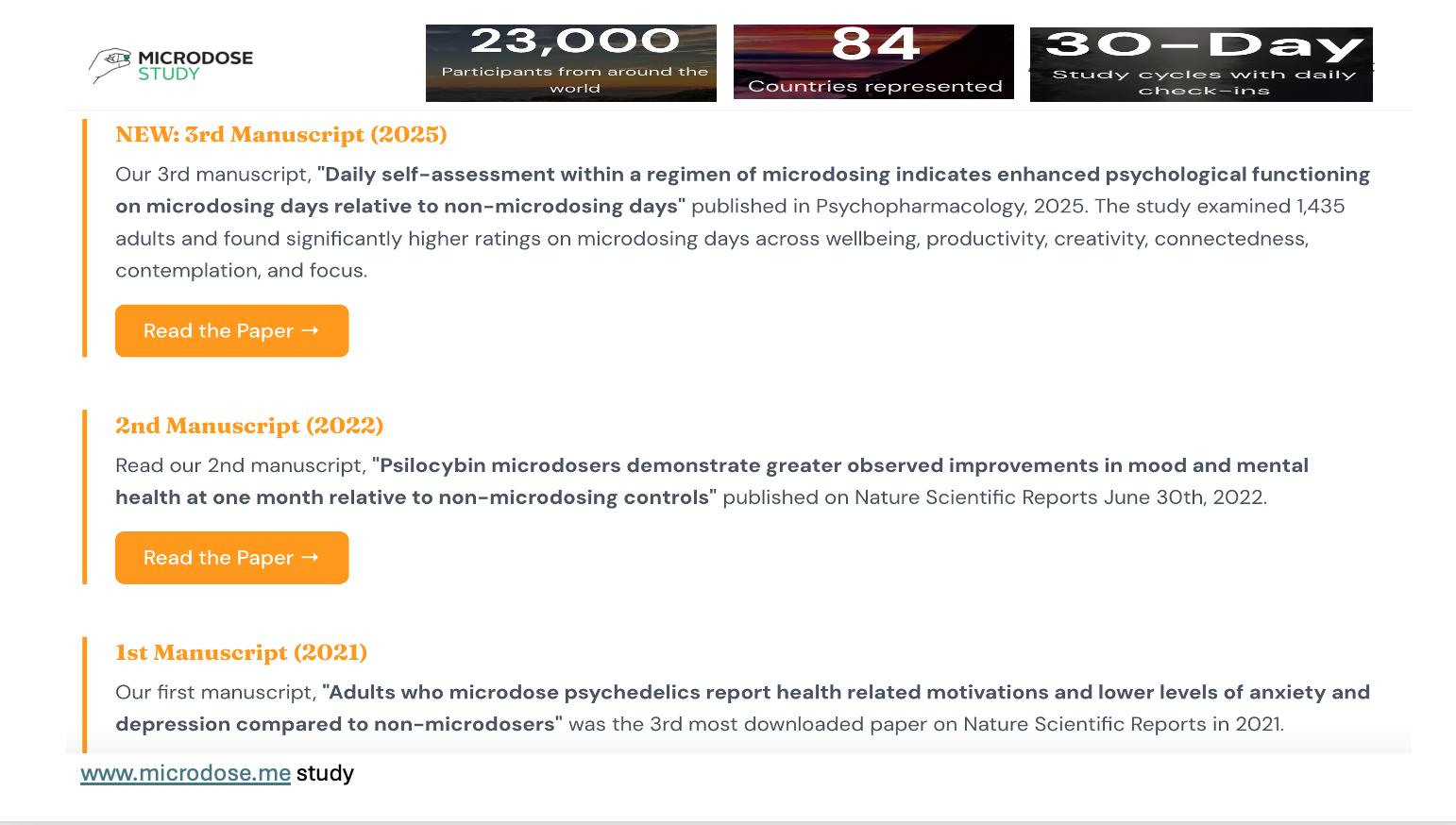
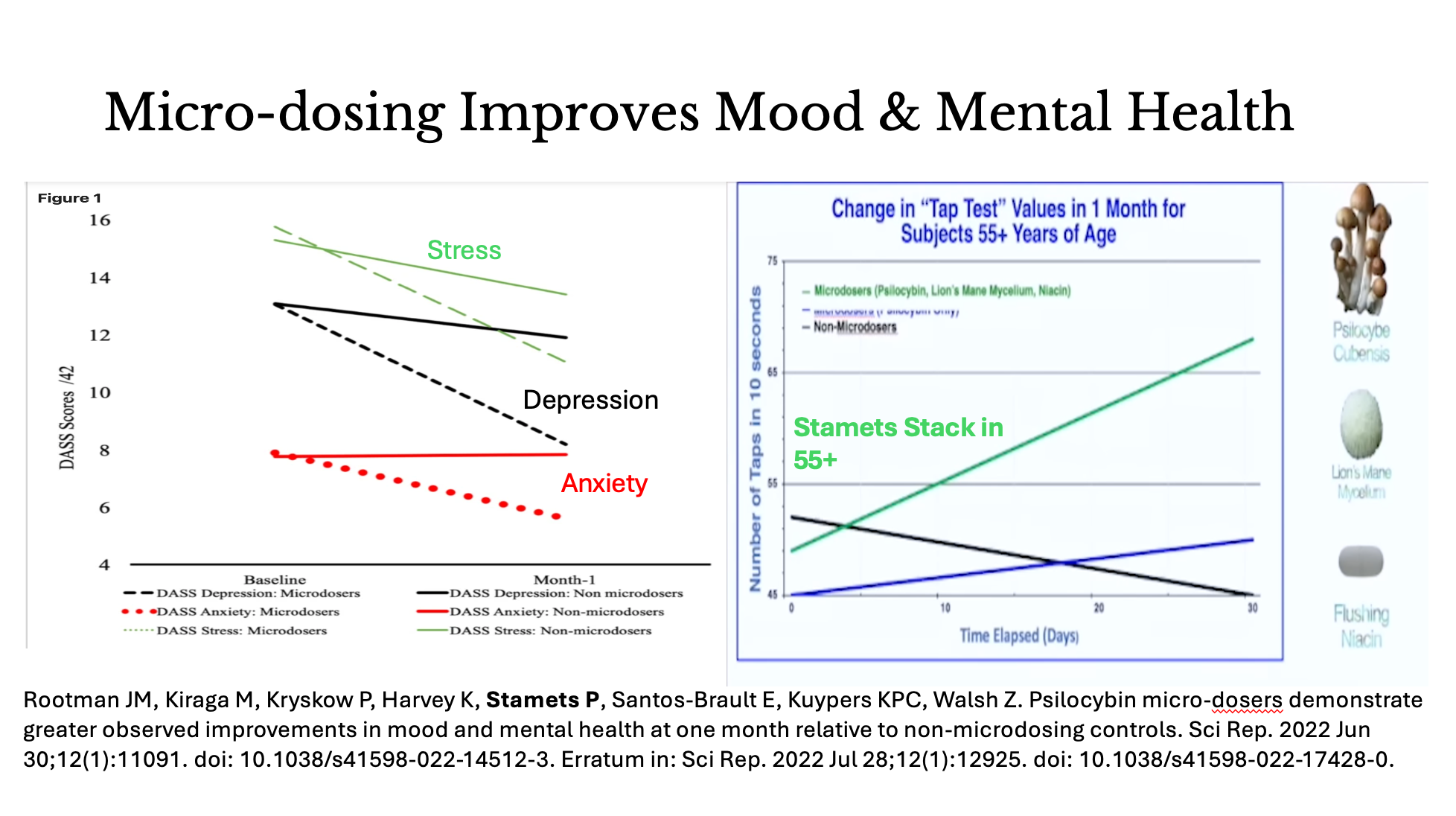
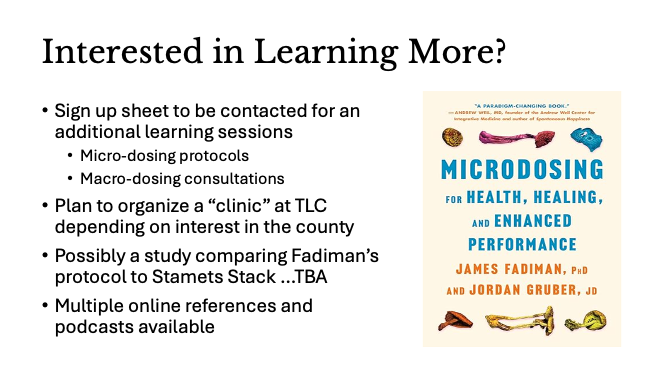
This section is still “under construction” but here are the slides I presented at Colorado Mountain College. You can learn more by going to the references at the bottom of the slides or by reading Dr. Fadiman’s book and any of Paul Stamet’s online entries; and https://www.gaelicfungifarms.ie/post/unlocking-the-power-of-the-stamets-stack-why-lion-s-mane-is-at-the-heart-of-brain-health
The biggest difference is that a micro-dose is significantly smaller that a macro-dose and your should NOT have the same psychedelic effects at 5-HT2A receptors. If you do have a psychedelic effect, you should lower the dose the next time you take a micro-dose. It is not clear if you will have a slight effect on the dopamine receptors that help you feel calm and happy. This has not been studied that I know of.
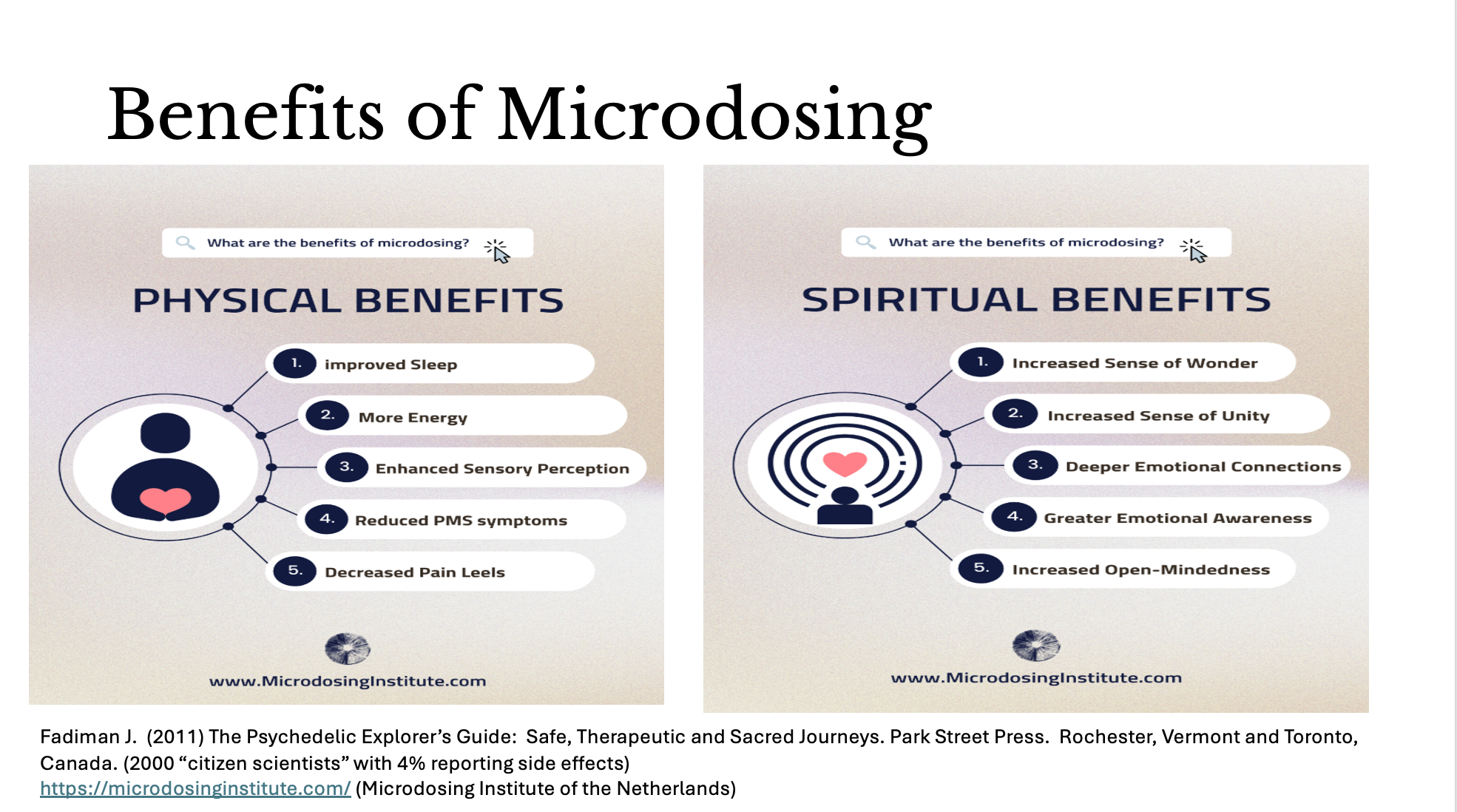
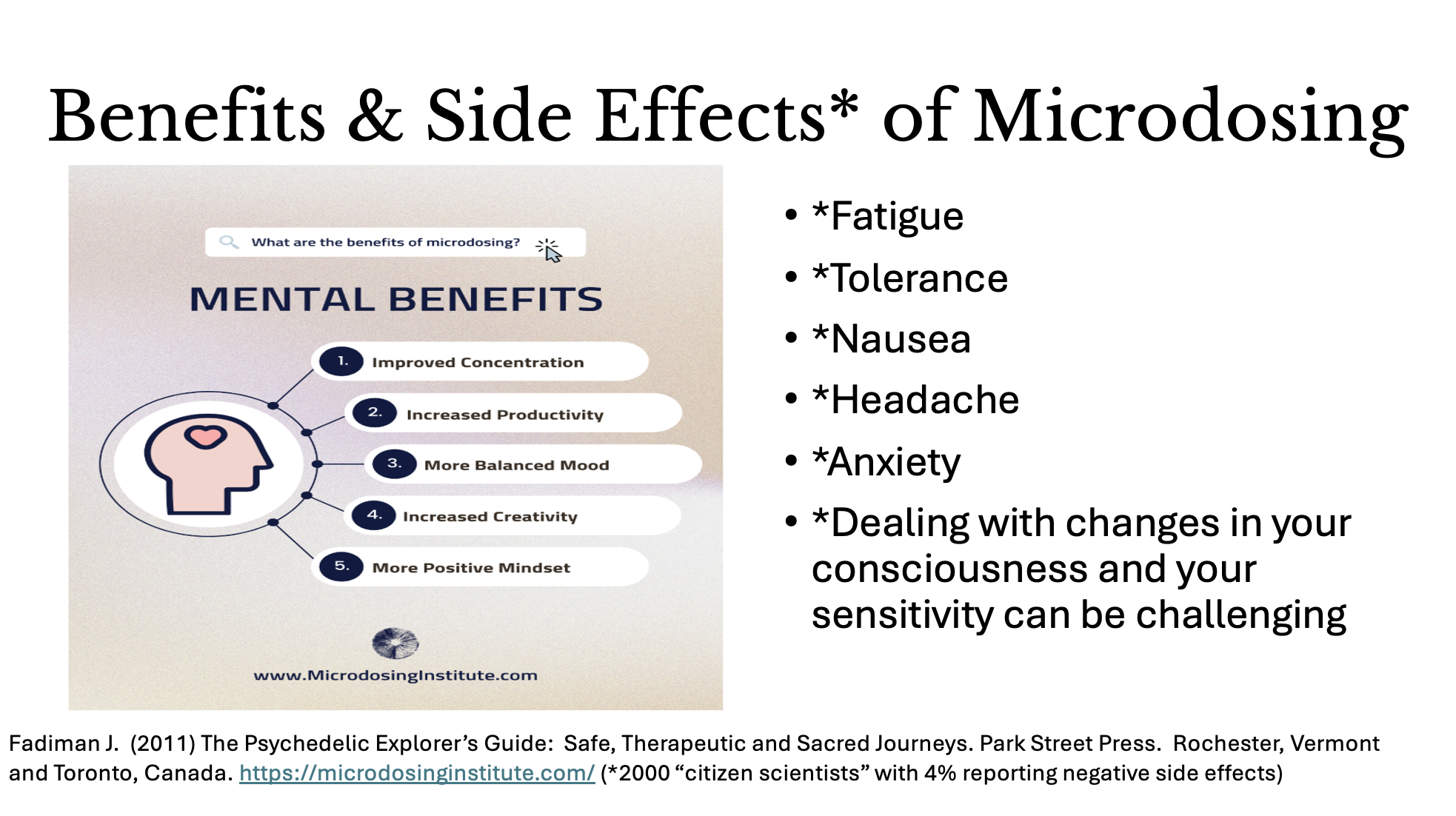
But a microdose still has the potential to activate both the glutamate and the transcription pathways but to a lesser degree. A lot can be learned from these two websites: microdose.me and www.microdosinginstitute.com
Blog topics are shown here and are accessible with a password for current clients.